
Dental Bridges 101: Everything You Need to Know Before Getting One
Missing a tooth can change more than how you look. It can change how you chew, how clearly you speak, and how evenly your bite comes together. Over time, the teeth next to the gap may begin to shift, which can make cleaning more difficult and place added stress on other teeth. For patients exploring options like dental bridges in Katy, TX, understanding how this treatment works can help you make a confident and informed decision.
For families in Katy, including communities near Cinco Ranch, Grand Lakes, and the Franz Road corridor, it helps to understand your treatment options before making a decision. A dental bridge is one of the most established ways to replace a missing tooth and restore everyday function. When planned carefully, it can help support your bite, improve your appearance, and make eating and speaking feel more natural again.
What Is a Dental Bridge?
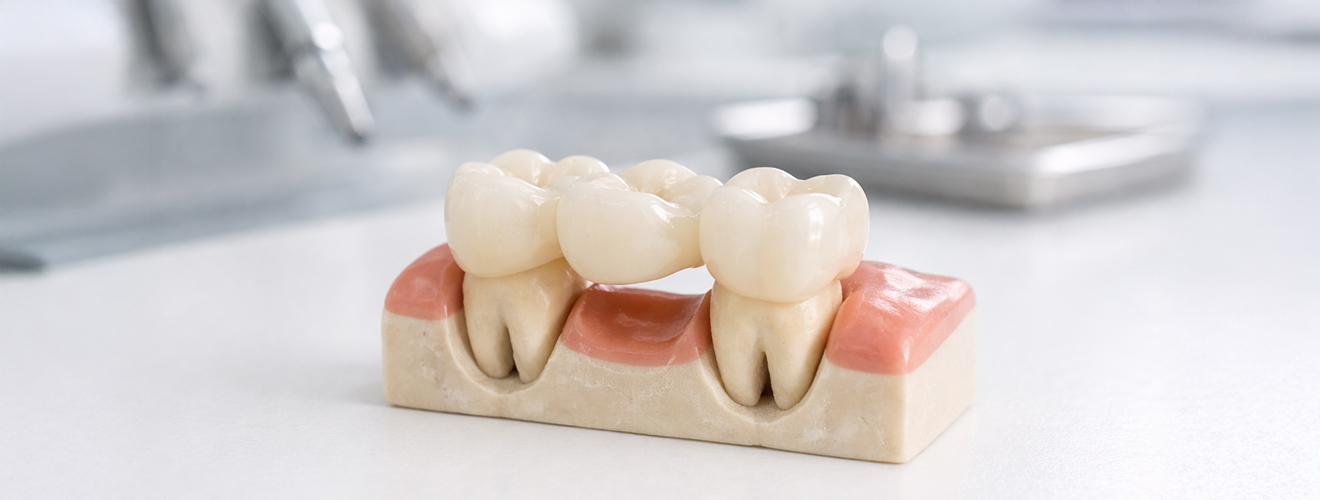
A dental bridge helps restore areas where teeth are missing. It fills the open space with an artificial tooth, called a pontic, and uses support from nearby teeth or dental implants to hold that replacement tooth in place.
A bridge may include:
- Abutment teeth: the teeth or implants that provide support
- Pontic: the replacement tooth that fills the gap
- Crowns or framework: the part that secures the bridge
The purpose of a bridge is to bring back function and support a balanced bite. Without a tooth in place, surrounding teeth can move into the space and create areas that are harder to keep clean. A bridge helps preserve spacing and can improve both comfort and appearance.
Choosing the right bridge design involves evaluating where the tooth is missing, how healthy the nearby teeth are, and whether the gums and bone can provide proper support.
Types of Dental Bridges
There is no one-size-fits-all bridge. Your dentist will recommend a design based on the available support, bite forces, and the number of missing teeth.
Traditional Dental Bridge
A traditional bridge is the most common type. The nearby teeth are fitted with crowns to support an artificial tooth that fills the space.
Why it is often recommended:
- Strong support for chewing
- A reliable option for back teeth
- A well-established treatment design
Cantilever Bridge
A cantilever bridge is supported on only one side. It may be used in limited situations when there is only one suitable tooth next to the space.
Points to keep in mind:
- Less common than a traditional bridge
- Not ideal for every part of the mouth
- Requires careful bite evaluation
Maryland Bridge
A Maryland bridge uses a bonded framework attached behind the supporting teeth instead of full crowns on both sides.
Why it may be chosen:
- More conservative for natural tooth structure
- Often considered for the front teeth
- Useful in select cases with lighter bite pressure
Implant-Supported Bridge
An implant-supported bridge uses dental implants for support rather than natural teeth. This option may be considered when several teeth are missing in the same area.
Potential advantages:
- Strong support
- Does not depend on neighboring teeth
- Can help distribute biting forces more evenly
If you are comparing options for dental bridges, a full exam and bite evaluation can help clarify which design fits your needs best.
Who Is a Good Candidate?
A dental bridge may work well for many patients, but your dentist will first check that the nearby teeth and gum tissue are strong enough to support the restoration.
You may be a good candidate if you:
- Have one or more missing teeth
- Have strong neighboring teeth or implants that can support the bridge
- Have gums that are stable and free from active disease
- Are able to maintain daily brushing and flossing
- Want a fixed option instead of a removable appliance
At this stage, many patients begin comparing options after searching for a dentist near me, especially when they want a professional evaluation close to home.
Your dentist will also look at bite alignment, signs of grinding or clenching, and the condition of the teeth next to the space. In some cases, gum treatment or other restorative care may be needed first. That step helps create a healthier foundation and improves the long-term outlook of the bridge.
Benefits of Dental Bridges
A well-made dental bridge can restore both function and appearance. It can also support oral health by helping maintain proper spacing between the teeth.
Common Benefits
- Restores chewing function
- Helps improve speech clarity
- Reduces the shifting of nearby teeth
- Supports a more even bite
- Fills the space in a natural-looking way
- Provides a fixed solution that stays in place
Many patients appreciate that a bridge feels secure and becomes part of daily life without needing to be removed. It can also help distribute chewing forces more evenly, which may make eating more comfortable.
A bridge also has limits. It does not replace bone the way a dental implant may, and the long-term success of treatment depends on the health of the supporting teeth and gums. Clear expectations are an important part of sound treatment planning.
The Dental Bridge Procedure
The bridge process usually takes two or more visits, depending on the type of bridge and the condition of the teeth involved. Each step is designed to improve fit, comfort, and function.
1. Consultation and Examination
Your dentist will examine the area, evaluate your bite, and review any needed X-rays or digital images. This helps determine whether a bridge is the right option and which design is most appropriate.
2. Tooth Preparation
When a bridge relies on natural teeth, those teeth are prepared to allow crowns to fit securely. This step allows the final bridge to sit securely and function as intended.
3. Impressions or Digital Records
Precise records are taken to guide the design of the bridge. These records help ensure the final restoration matches your bite and blends with nearby teeth.
4. Temporary Bridge
During this stage, a temporary bridge helps protect your teeth while the final one is being made. This protects the prepared teeth and helps maintain comfort and appearance between visits.
5. Final Placement
When the final bridge is complete, it is evaluated for proper fit, comfort, bite alignment, and appearance. Small adjustments can be made before it is secured in place.
This step-by-step approach helps improve long-term stability and gives the bridge a more natural feel. Good planning is just as important as the restoration itself.
Final Thoughts
Dental bridges remain a dependable treatment for replacing missing teeth. They can restore function, improve appearance, and help protect the alignment of the rest of the smile. A good result depends on careful planning, healthy supporting teeth, and consistent home care after placement.
If you live near Katy Mills, Cinco Ranch, or nearby Katy neighborhoods and want to learn whether a bridge is right for you, schedule a consultation with Dr. Teeth Dental Care – Katy to discuss your options and next steps.
FAQs
Many dental bridges last for years with good home care and regular dental visits. Their longevity depends on factors such as bite pressure, daily oral care, and the condition of the supporting teeth and gums.
The area is numbed during treatment, so the procedure is usually manageable for most patients. Some temporary soreness or sensitivity can happen afterward, but that usually improves as the mouth adjusts.
Yes. In many cases, a bridge can replace more than one tooth in a row if there is enough support from healthy teeth or implants.
A bridge needs daily cleaning just like natural teeth. Your dentist may recommend floss threaders, interdental cleaners, or other tools to help clean under and around the bridge.
That decision depends on several factors, including bone support, the condition of nearby teeth, your bite, and your treatment goals. When people begin reviewing treatment choices online, dental bridges near me may be one of several searches that lead them to ask whether a bridge is the right fit.