
6 Important Facts To Know About Dental Crowns in Katy, TX
If you are researching dental crowns in Katy, TX, you may already know that a crown is used to cover a damaged tooth. What many patients do not realize is that the decision to place a crown is often based on preventing future complications rather than simply repairing existing damage.
A tooth can become vulnerable after years of wear, a large filling, a fracture, or extensive decay. In these situations, a crown provides support when the remaining tooth structure can no longer withstand normal chewing forces. The best course of treatment is determined by factors such as the tooth’s overall health, remaining structure, and expected long-term function.
Patients from Cinco Ranch often seek treatment before minor tooth damage develops into a more complex problem that requires additional procedures.
What Are Dental Crowns?
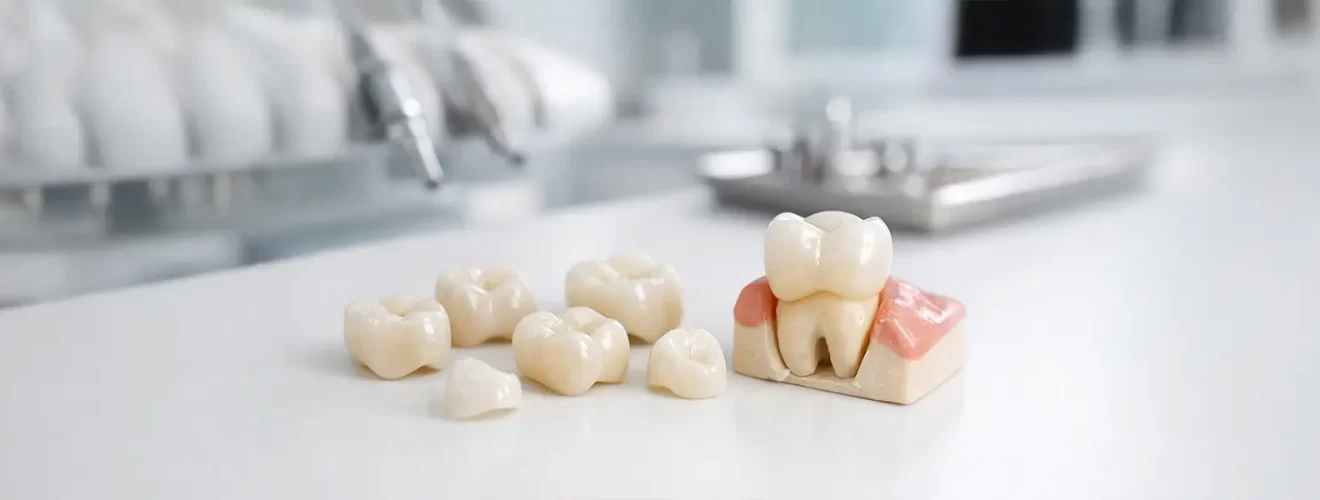
Custom-crafted to fit your tooth, a dental crown encases the visible surface to help restore strength, structure, and aesthetics. Its purpose is to strengthen a weakened tooth, restore function, and protect it from further structural damage.
Unlike a filling, which replaces a specific area of missing tooth structure, a crown covers the entire visible surface of the tooth. This additional coverage can be beneficial when a tooth has become significantly weakened or when there is a higher risk of fracture.
Dentists commonly recommend crowns for:
- Teeth with large fillings
- Cracked or fractured teeth
- Teeth that have undergone root canal treatment
- Severely worn teeth
- Teeth with extensive decay
In many cases, a crown allows a natural tooth to remain functional for years while reducing the likelihood of future complications.
Types of Dental Crowns
The most suitable crown material depends on several factors, including the tooth’s location, bite forces, cosmetic goals, and overall oral health.
Porcelain Crowns
Known for their ability to blend seamlessly with surrounding teeth, porcelain crowns are frequently chosen for highly visible areas of the mouth.
Ceramic Crowns
Ceramic restorations provide excellent aesthetics and are often selected by patients who prefer metal-free treatment options.
Zirconia Crowns
Zirconia crowns offer exceptional durability and are frequently used when additional strength is required without compromising appearance.
Porcelain-Fused-to-Metal Crowns
These crowns combine a strong metal substructure with a tooth-colored outer layer.
Same Day Crowns
Some practices offer same-day crowns using digital scanning and in-office fabrication technology. Whether this option is appropriate depends on the condition of the tooth and the type of restoration required.
Reasons for Getting a Dental Crown
A crown is not always recommended because a tooth is painful. In many situations, the goal is to prevent a weakened tooth from breaking in the future.
Common reasons for crown treatment include:
- Structural damage from decay
- Cracks that weaken the tooth
- Large fillings that leave limited natural tooth structure
- Tooth wear caused by grinding or clenching
- Cosmetic concerns involving shape, size, or discoloration
Not every damaged tooth requires a crown. When planning treatment, dentists consider the condition of the remaining tooth, how much pressure it must withstand during daily function, and whether alternative treatments can offer lasting stability.
In certain cases, a cosmetic dentist in Katy may recommend a dental crown to enhance a tooth’s appearance while also restoring its strength and functionality.
Dental Onlay vs Crown
Patients often ask whether an onlay or a crown is the better option for restoring a damaged tooth.
What Is a Dental Onlay?
An onlay is a conservative restoration that covers a damaged portion of a tooth while preserving more natural tooth structure.
What Is a Dental Crown?
A crown surrounds the entire portion of the tooth above the gumline, providing reliable reinforcement when additional strength and stability are needed.
Key Differences
| Dental Onlay | Dental Crown |
| Preserves more natural tooth structure | Covers the entire visible tooth |
| Suitable for moderate damage | Suitable for extensive damage |
| Requires less tooth reduction | Provides maximum protection |
| Conservative restoration | Full-coverage restoration |
A comprehensive assessment allows your dentist to identify the most appropriate treatment option for maintaining the tooth’s function and longevity.
The Dental Crown Procedure
Learning about the steps involved in treatment can help you approach your appointment with greater confidence and peace of mind.
Step 1: Comprehensive Examination
To determine the best course of treatment, your dentist may evaluate the tooth using advanced digital imaging to assess its structure and overall health.
Step 2: Tooth Preparation
The tooth is carefully reshaped to create enough space for the crown.
Step 3: Digital Impressions
Digital impressions are taken to ensure the restoration fits comfortably and functions properly.
Step 4: Temporary Restoration
To help preserve the tooth between appointments, a temporary crown is often placed while the custom restoration is being created.
Step 5: Final Placement
Once the permanent crown is ready, it is securely bonded into place and adjusted to ensure proper bite alignment and comfort.
Patients searching online for a tooth crown near me often discover that modern crown treatment is more comfortable and efficient than they expected.
Caring for Your Dental Crown
Although crowns are highly durable, proper care is essential for maintaining both the restoration and the underlying tooth.
To help protect your crown:
- Brush twice daily using fluoride toothpaste
- Floss carefully around the crown
- Avoid chewing ice and other hard objects
- Wear a nightguard if you grind your teeth
- Attend routine dental examinations and cleanings
Good oral hygiene and healthy gums play an important role in the longevity of a dental crown.
Longevity of Dental Crowns
Several factors can affect the durability of a dental crown, including oral health habits, functional wear from chewing, diet, and consistent professional dental care.
Most modern crowns can last between 10 and 15 years, and many remain functional for much longer when properly maintained. Advances in restorative materials have improved both durability and aesthetics, making crowns a reliable treatment option for many patients.
Tips for Extending the Life of Your Crown
The following habits can help maximize the lifespan of your restoration:
Maintain Regular Dental Visits – Preventive dental examinations allow your dentist to monitor your oral health and address concerns before they become significant issues.
Avoid Using Teeth as Tools – Opening packages or biting non-food objects can damage both natural teeth and restorations.
Address Teeth Grinding – Chronic grinding can place excessive pressure on crowns and natural teeth.
Maintain Healthy Gums – Healthy gum tissue helps support the tooth underneath the crown.
Follow Your Dentist’s Recommendations – Individual care instructions may vary depending on your oral health needs and treatment history.
Patients looking for dental crowns near me should choose a dental practice that emphasizes preventive care, accurate diagnosis, and long-term treatment success.
Book an Appointment for Your Dental Crown
In many cases, a dental crown can provide the protection needed to maintain function and preserve the natural tooth.
At Dr. Teeth Dental Care – Katy, we use advanced technology and personalized treatment planning to provide durable, natural-looking restorations that support long-term oral health.
It is common for patients to hesitate about treatment when they are unclear about the role a dental crown may play in preserving their oral health. However, postponing treatment for a cracked or structurally weakened tooth may increase the risk of additional damage and more complex procedures in the future.
If you have a compromised tooth, a failing filling, or discomfort when chewing, schedule an evaluation to determine whether a dental crown is the right treatment option for your needs.
Ready to Protect Your Smile?
Contact Dr. Teeth Dental Care – Katy today to schedule a consultation and receive a personalized treatment recommendation from an experienced dental team.
Frequently Asked Questions
Dental crown treatment is typically comfortable because local anesthesia is used during the procedure. Most patients experience minimal discomfort afterward.
Traditional crowns often require two visits. Depending on your treatment needs, some patients may qualify for same-day crown treatment.
Yes. Modern porcelain, ceramic, and zirconia crowns are designed to blend naturally with surrounding teeth.
A filling may be appropriate when damage is limited. If a tooth has extensive decay, a large existing filling, or significant structural weakness, a crown may provide more predictable long-term protection.
A crown may need replacement if it becomes loose, cracked, worn, or if decay develops around the tooth supporting the restoration.